
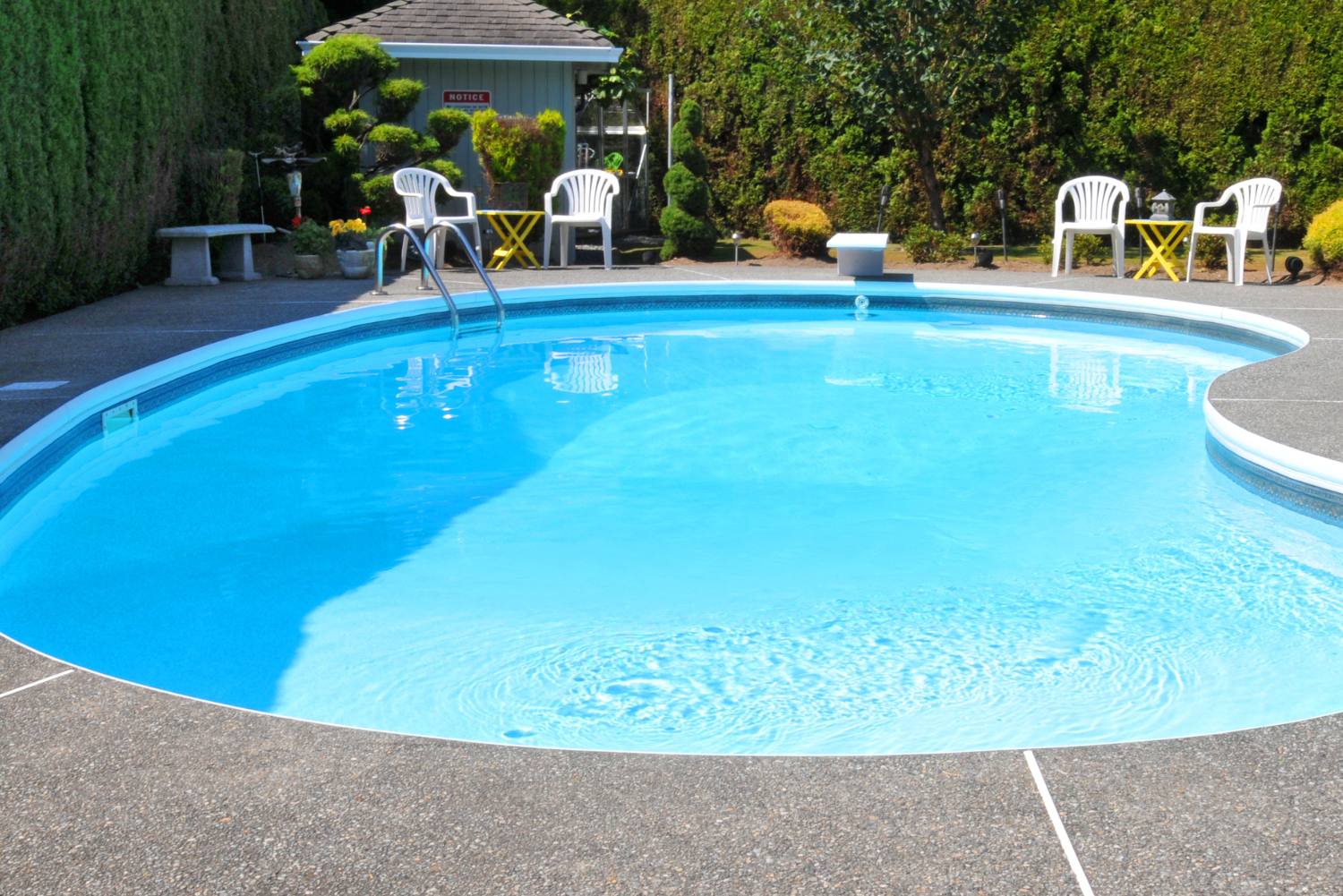
A pool can look crystal clear yet still be chemically unstable.
When pH or chlorine levels drift, the change happens slowly until tiles start to stain, pumps corrode, or swimmers complain of itchy eyes.
Water balance is about more than looks. It determines how safely and efficiently the system runs. Understanding the early warning signs helps avoid costly chemical corrections and extends the life of pool equipment.
Why balance matters
Balanced water protects:
Balanced water protects:
When balance is lost, problems build up quickly. High calcium coats heaters and pipes, making motors work harder. Low pH slowly eats away at metal fittings. Even small drops in chlorine allow algae and bacteria to multiply.
Visible clues something’s wrong
| Sign | Likely Cause | Effect on Pool and Equipment |
|---|---|---|
| Cloudy water | High pH or calcium buildup | Dull appearance, scaling on tiles and heaters |
| Green tint | Low chlorine or algae growth | Unsafe for swimming, cloudy film on walls |
| White deposits on tiles | Hard water or high pH | Energy loss as heaters and pumps work harder |
| Rust or brown stains | Low pH, acidic water | Corrosion of fittings and screws |
| Slippery steps | Algae film or biofilm | Safety hazard and early bacterial growth |
Clear water does not always mean healthy water. If your pool shows any of these signs, it is time to test rather than guess.
Sensory clues you can detect yourself
Some imbalances can be noticed without a test kit

How often should you test?
Melbourne’s fluctuating temperatures and hard water make consistent testing essential. Rain, evaporation and top-ups can shift chemical levels faster than many owners realise.
| Season | Home Testing | Professional Testing | Reason |
|---|---|---|---|
| Summer | Weekly | Fortnightly | High heat and heavy use consume chlorine faster |
| Autumn | Fortnightly | Monthly | Falling leaves add organic matter |
| Winter | Fortnightly | Monthly | Less swimming but chemistry still changes |
| Spring | Weekly | Fortnightly | Rising temperatures and pollen increase demand |
Regular testing keeps water within the safe range:
pH between 7.2 and 7.6
Chlorine between 1 and 3 ppm
Alkalinity between 80 and 120 ppm
Calcium hardness between 200 and 400 ppm
Why Melbourne pools need extra attention
Hard water across the city’s eastern suburbs encourages calcium scale, especially where solar heating raises surface temperatures. Pools in these areas often lose balance faster because top-ups from the mains add more minerals.
In western suburbs, high evaporation rates and wind exposure lead to chemical loss and faster pH drift. Both situations require regular monitoring to stay within safe limits.
In western suburbs, high evaporation rates and wind exposure lead to chemical loss and faster pH drift. Both situations require regular monitoring to stay within safe limits.
When to seek professional help
If test results fluctuate despite careful adjustment, filters may be clogged or the chlorinator cell may need cleaning.
Professional water testing provides more detailed analysis than home kits and helps identify small shifts before they turn into visible problems.
Technicians can also check the condition of your filtration and dosing systems to make sure they are delivering accurate results.
Professional water testing provides more detailed analysis than home kits and helps identify small shifts before they turn into visible problems.
Technicians can also check the condition of your filtration and dosing systems to make sure they are delivering accurate results.
FAQs about pool water balance
Cloudy water, scaling, algae growth or strong chlorine smells are early indicators. Testing confirms which readings are outside the safe range.
Yes. Water can look clear but have low chlorine or pH that is too high. Both can allow bacteria to multiply or cause eye and skin irritation.
Fortnightly in summer and monthly in cooler months. More frequent testing is recommended after heavy rain or heatwaves.
Yes. Hard water raises calcium hardness and can cause scale on heaters and tiles. It also makes pH harder to stabilise.
Minor adjustments are fine, but ongoing imbalances should be assessed professionally to prevent over-correction and wasted chemicals.