
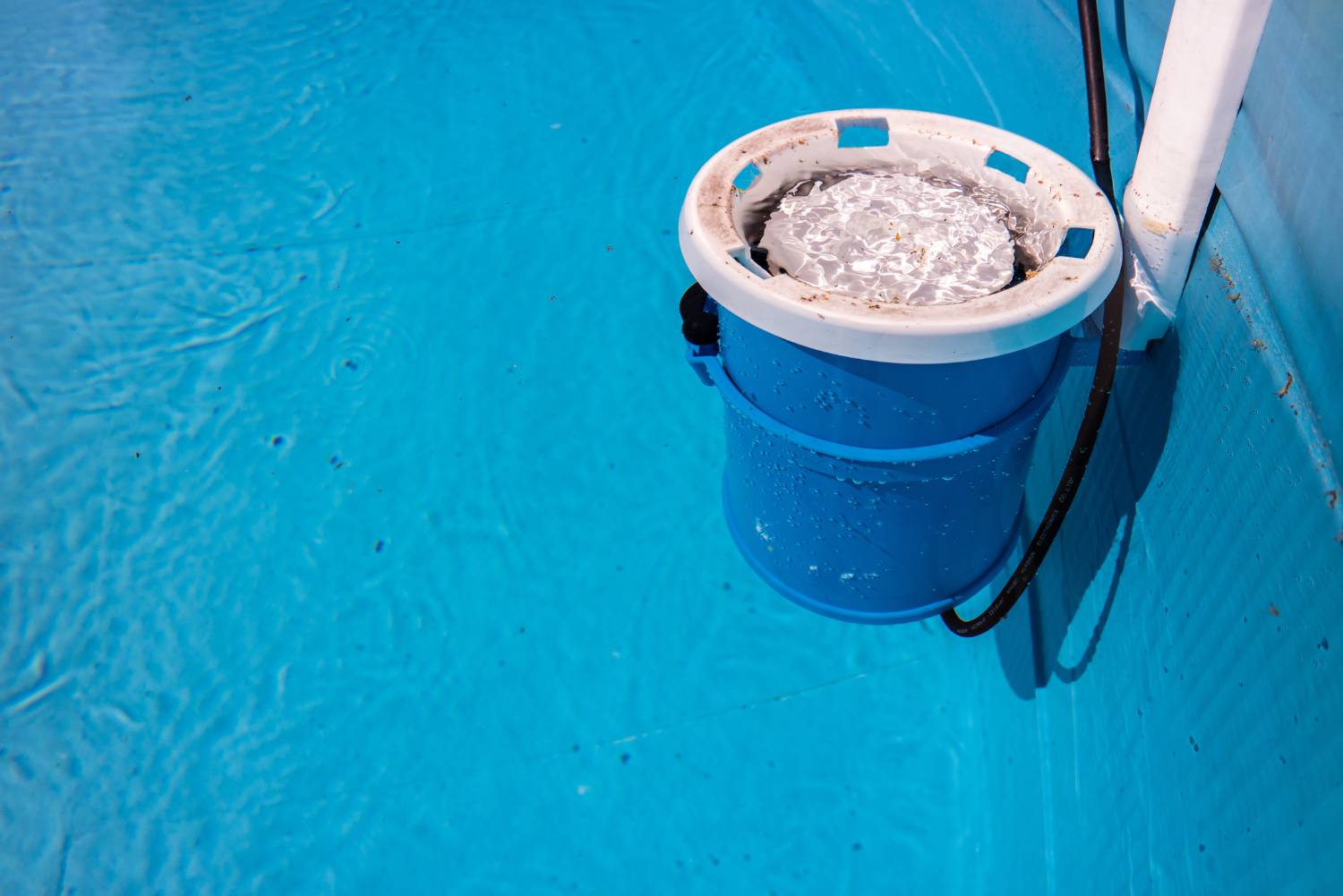
Most pool owners judge water health by clarity.
If the water looks clean, the assumption is that everything below the surface is working as it should. But filtration problems rarely begin with cloudy water. They start weeks earlier, long before any obvious change in appearance, and the early signs are easy to miss. Pool technicians across Melbourne consistently report the same pattern: filtration systems fail gradually, not suddenly, and most of the damage happens while the water still looks perfectly clear.
The First Signs Aren’t in the Water
When filtration performance drops, the first indicators often appear in the equipment rather than the pool itself. Pressure gauges begin sitting higher than normal. Filter cycles become shorter. The pump sounds different under load. These signals mean the system is working harder to push water through a restricted filter bed or clogged cartridge.
Pool owners tend not to notice these changes because the water still looks fine. By the time the water turns cloudy, the filtration system has usually been struggling for weeks.
Pool owners tend not to notice these changes because the water still looks fine. By the time the water turns cloudy, the filtration system has usually been struggling for weeks.
Why Filters Lose Efficiency Gradually
Filters degrade in a predictable way. Debris, oil, sunscreen residue and fine particles slowly compact inside the filter media. Over time, this reduces the surface area available to trap new particles. Instead of catching contaminants, the filter forces the pump to work harder to maintain flow.
Common causes include:
infrequent backwashing or cartridge cleaning
heavy use during hot weather
high bather load
incorrect chemical balance that accelerates filter clogging
algae spores that don’t yet appear visibly in the water
Filtration problems can build even when chemical levels appear stable, because chemistry and filtration perform different roles.
Pumps Show Strain Before Water Quality Drops
The pump is often the first component to reveal stress. Reduced flow or increased pressure on the gauge signals restricted movement through the filter. The pump may take longer to prime, run hotter, or develop a faint whine as it compensates.
Once the system reaches this point, energy use increases. A filtration system working at half capacity can draw noticeably more power, especially during summer when run times are extended.
Once the system reaches this point, energy use increases. A filtration system working at half capacity can draw noticeably more power, especially during summer when run times are extended.

What Clear Water Can Hide
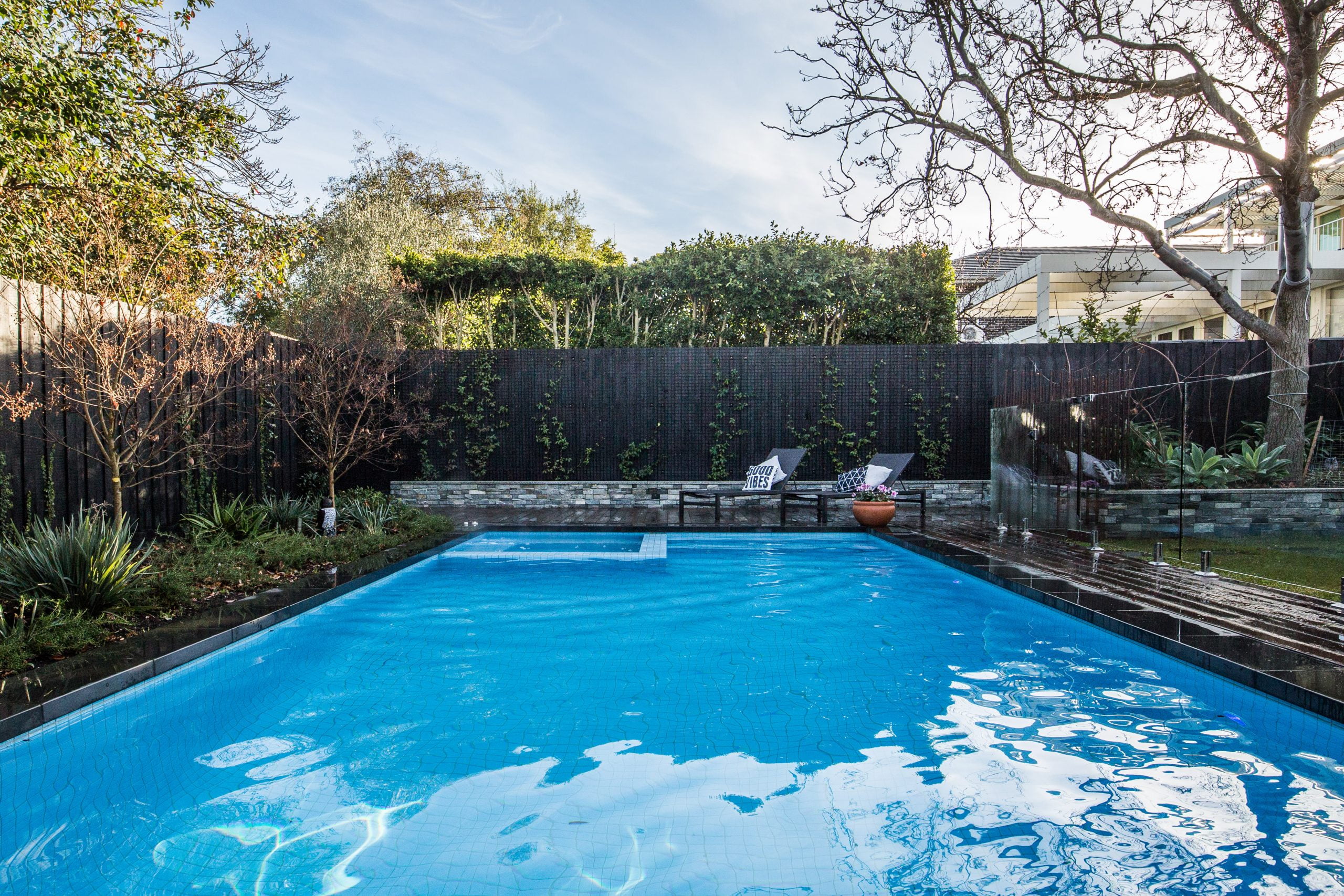
Clear water creates a false sense of security. It does not mean the system is performing well; it simply means the contamination levels haven’t surpassed the point where clarity is visibly affected.
Underneath, several problems may be developing:
The water may still sparkle in the sun, but the system has already fallen behind.
A Simple Check Can Reveal Declining Filtration
Many filtration problems can be identified with basic checks that take just a few minutes.
Useful indicators include:
filter pressure reading higher than usual
pump basket filling faster than expected
return jets feeling weaker
backwash water staying dirty for longer
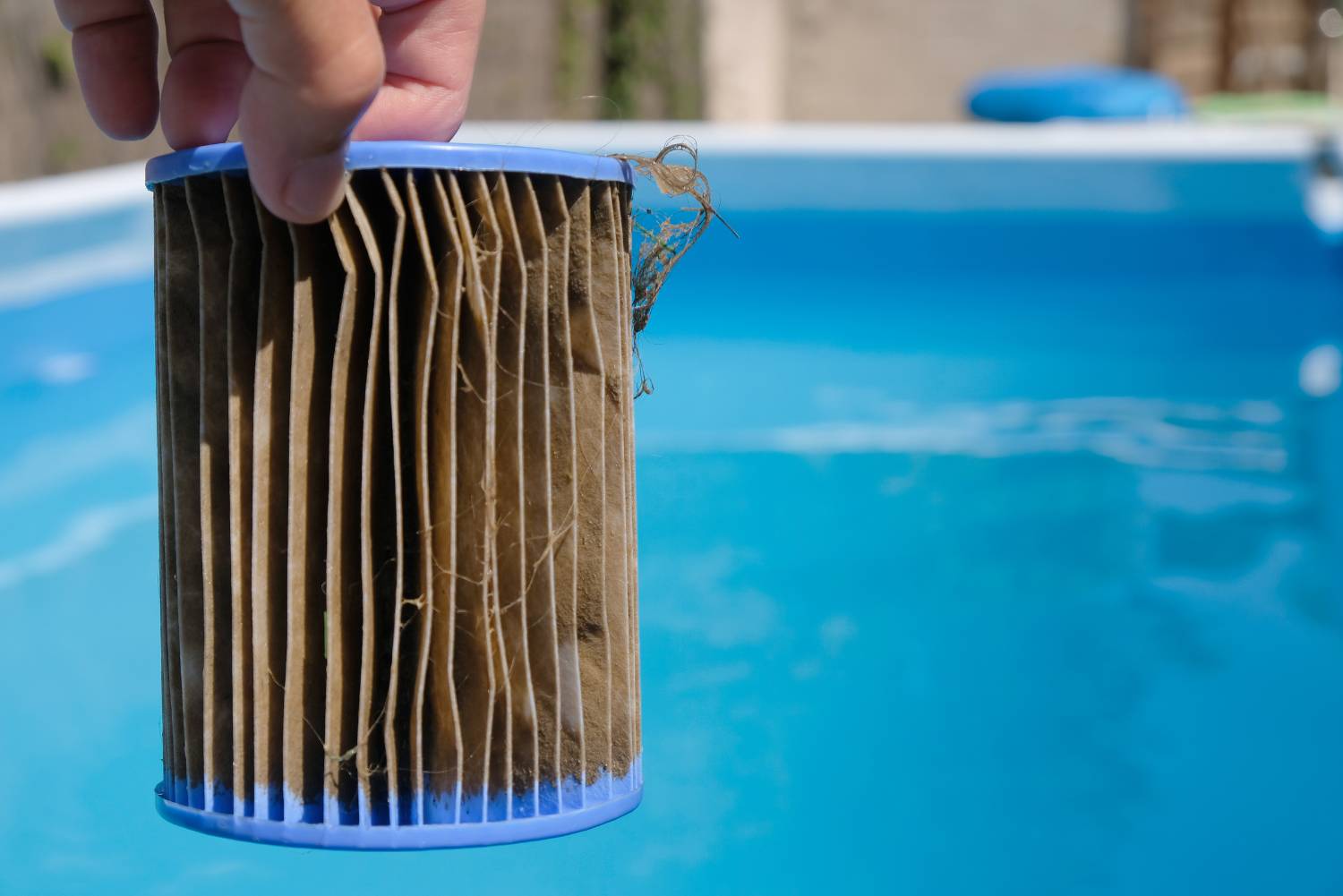
cartridges showing compacted debris or fine silt
These are the early clues that allow pool owners to correct the problem before clarity is affected.
How Often Filters Should Be Cleaned?
Cleaning frequency varies depending on location, weather, vegetation and pool usage, but most systems require attention more often than owners realise.
General guidelines:
Many filtration failures stem from extended periods between cleanings, particularly over summer holidays when pools see increased use.
When Filtration Problems Become Costly
If filtration issues are ignored for long enough, the system becomes both less efficient and more expensive to run. Pumps can overheat. Cartridges and sand media can deteriorate prematurely. Algae blooms become harder to reverse, requiring more chemicals and longer filtration cycles to clear.
The cost difference is considerable. Restoring a neglected system often requires:
The cost difference is considerable. Restoring a neglected system often requires:
Addressing the early warning signs is significantly cheaper than repairing a system that has been running under strain for weeks.
Why Filtration Matters More Than Chemicals
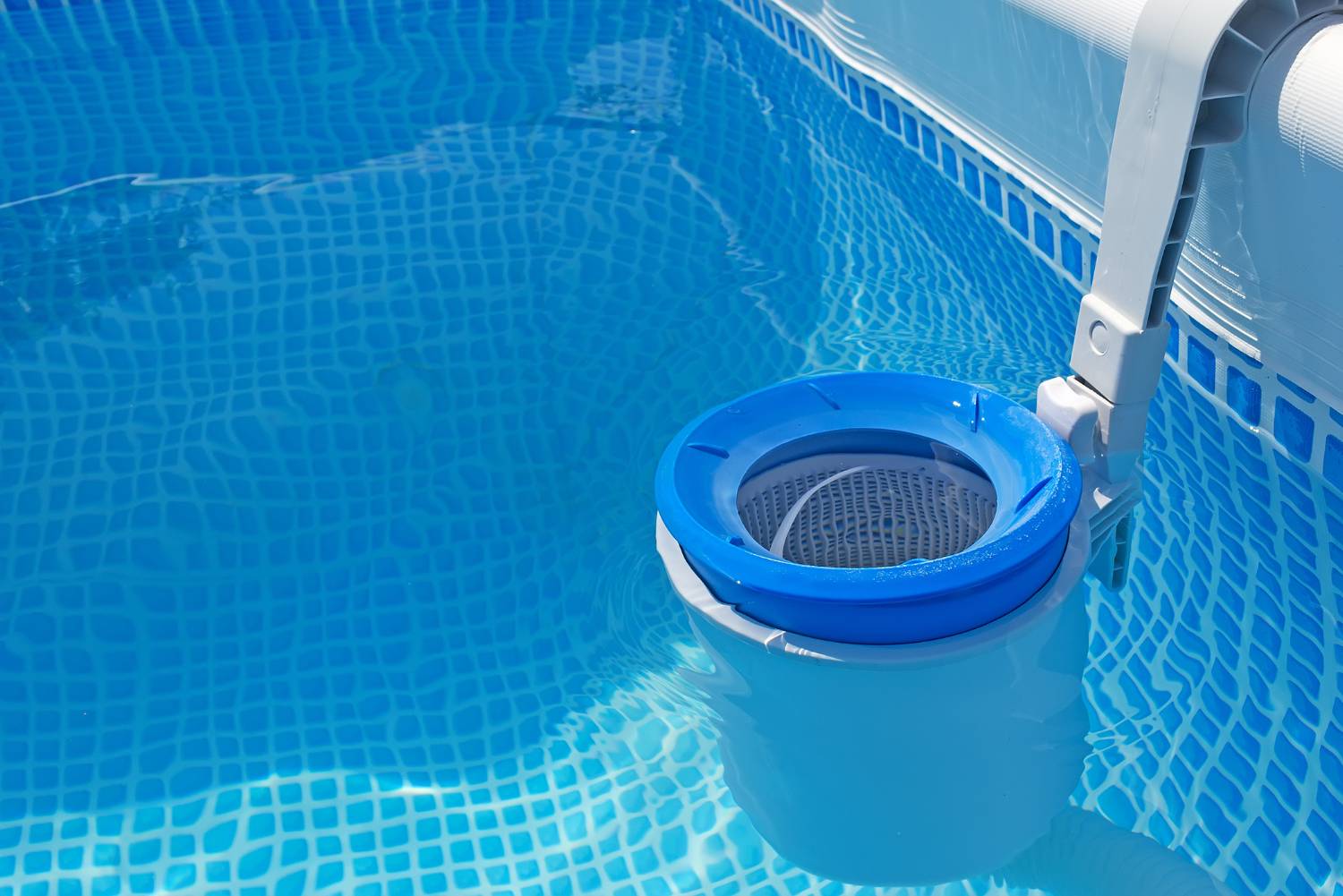
A common misunderstanding is that water quality problems begin with chemical imbalance. In practice, filtration issues often cause the chemical imbalance, not the other way around.
When filtration slows, contaminants accumulate. Chlorine demand rises. Owners add more chemicals to compensate, but the underlying filtration problem remains. This creates a cycle where the water becomes increasingly difficult to maintain, even though clarity appears unchanged at first.
When filtration slows, contaminants accumulate. Chlorine demand rises. Owners add more chemicals to compensate, but the underlying filtration problem remains. This creates a cycle where the water becomes increasingly difficult to maintain, even though clarity appears unchanged at first.
Keeping Filtration One Step Ahead
A healthy pool depends on the filtration system performing properly long before the water shows visible changes. Clear water is not a guarantee of water health. The pump, the filter and the pressure gauge all provide earlier, more reliable signs.
For pool owners, the most effective strategy is simple: monitor the filtration system itself rather than judging performance only by appearance. Most problems can be solved easily when caught early, and most become expensive only when they’re allowed to go unnoticed.
For pool owners, the most effective strategy is simple: monitor the filtration system itself rather than judging performance only by appearance. Most problems can be solved easily when caught early, and most become expensive only when they’re allowed to go unnoticed.