
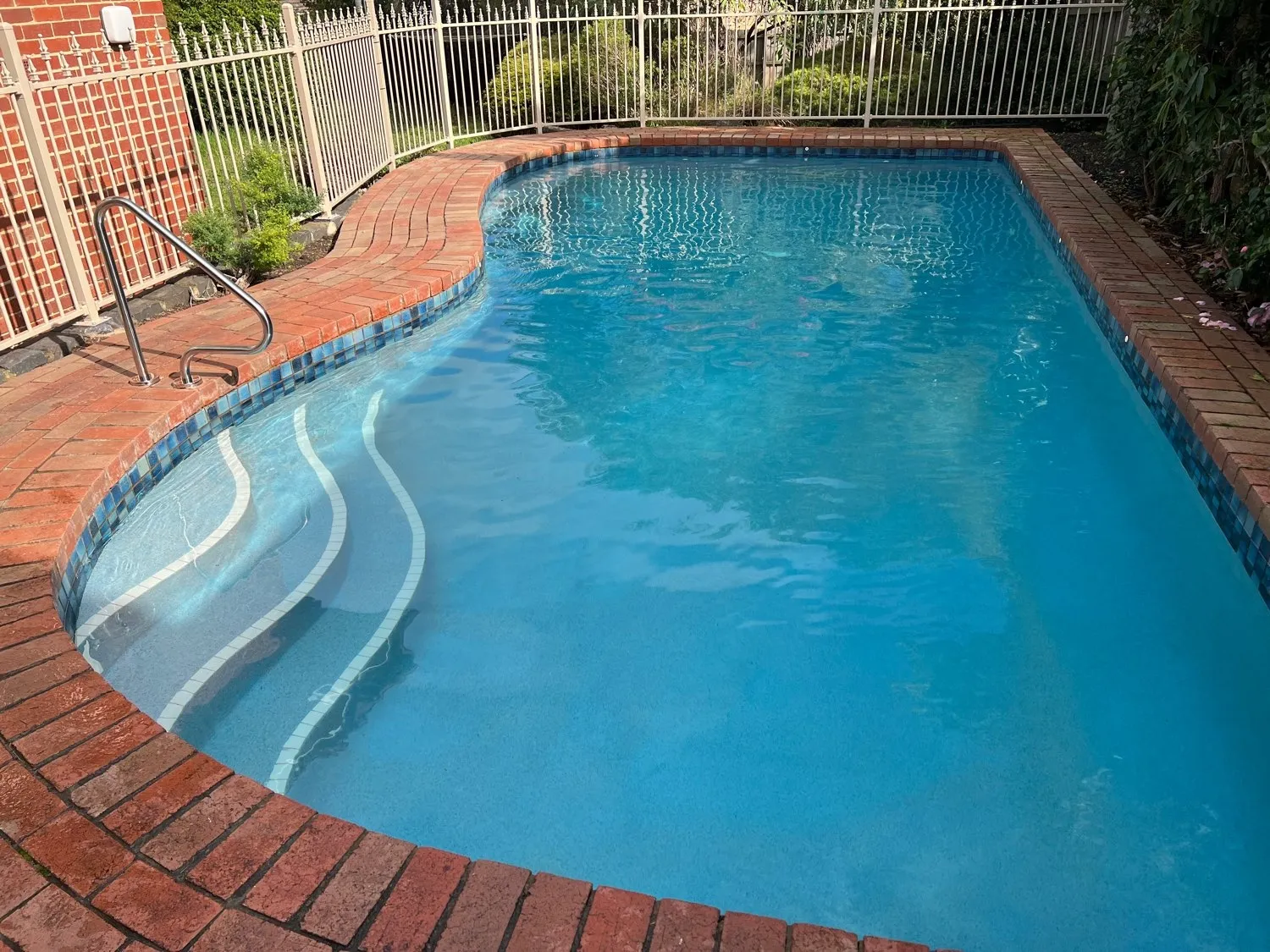
Most pool owners expect leaks to be obvious.
A wet patch in the garden, a visible crack or a steady drop in the skimmer box seems like the usual giveaway. But many of the most common pool leaks leave no visible trace at all. Instead, owners notice the waterline slipping lower each week with no clear explanation. In Melbourne, where weather swings and older backyard pool infrastructure often converge, these silent leaks are more common than many realise.
Understanding why a pool loses water without showing symptoms requires looking at how plumbing, structure and evaporation interact below the surface.
Evaporation Isn’t Always the Culprit
Evaporation is the first explanation pool owners consider, and in warm weather it can be significant. But evaporation alone rarely accounts for consistent or rapid water loss. Even during Melbourne’s hotter stretches, daily evaporation typically ranges between three and eight millimetres depending on wind, shade and water temperature.
When a pool drops a centimetre or more overnight or continues falling during mild weather, evaporation is unlikely to be the only factor.
When a pool drops a centimetre or more overnight or continues falling during mild weather, evaporation is unlikely to be the only factor.
When Plumbing Leaks Stay Hidden
Many leaks occur in the plumbing, not the shell. These leaks escape into the soil, not onto surrounding surfaces, which makes them nearly invisible. Because much of a pool’s plumbing sits underground, small leaks can continue for months undetected.
Common hidden plumbing leak points include:
return lines
suction lines
joints and elbows beneath paving
pipes running to water features
ageing PVC connections
A plumbing leak often reveals itself only through a pattern: the water drops to the same level each time, stabilises briefly, then falls again when the system runs.
Structural Cracks Don’t Always Show
Small structural cracks in concrete or fibreglass pools do not always create visible wet areas. Water escaping through hairline cracks can travel along soil or drainage lines far from the pool’s edge. In heavily paved or landscaped backyards, this moisture disperses too widely to form a noticeable patch.
Cracks hidden behind tiles, in corners, steps or under lights are particularly difficult to identify without testing.
Cracks hidden behind tiles, in corners, steps or under lights are particularly difficult to identify without testing.
Where Water Loss Comes From
The table below outlines the most common causes of unexplained water loss and how they typically present.
| Cause | Why It’s Hard to See | Early Indicators |
|---|---|---|
| Evaporation | Looks normal day-to-day | Pool drops faster on windy, hot days |
| Underground plumbing leaks | Water escapes into soil | Waterline stops dropping at a consistent level |
| Structural cracks | Water travels away underground | Cracks are small or hidden under finishes |
| Leaking fittings (skimmer, lights) | Water escapes behind the shell | Moisture behind light fittings or around skimmer |
| Equipment leaks | Only visible when pump is on | Damp equipment pad or pressure fluctuations |
A drop that stops consistently at the same point often points to a plumbing or fitting leak rather than natural evaporation.
Why Equipment Leaks Go Unnoticed
Some leaks only occur when the pump is running. These leaks can appear around valves, unions, filters or chlorinators. Because equipment pads are often sheltered or covered, moisture evaporates quickly and does not form obvious puddles. If the system loses prime or pressure fluctuates during operation, an equipment-side leak is a likely cause.
How Backwash and Waste Valves Contribute
Multiport valves and waste lines can cause steady unnoticed water loss if they fail to seal properly. Water can escape down the waste line without any visible discharge. This type of leak can be difficult to detect without monitoring pressure or inspecting the valve internals.

Why Some Pools Lose Water Faster Than Others
Two pools in the same suburb can behave very differently. Backyard layout, ground movement, soil type and age of equipment all influence how and where water might escape. Older pools with original plumbing are far more prone to underground leaks. Fibreglass pools with flexible walls may develop minor separation around fittings. Concrete pools may develop micro-cracks over time due to soil movement or seasonal expansion.
Pools with attached spas, waterfalls or solar heating systems introduce more pipework and more potential leak points.
Pools with attached spas, waterfalls or solar heating systems introduce more pipework and more potential leak points.
Practical Checks for Owners
Pool owners can carry out a few simple tests before booking a professional inspection.
Useful checks include:
If basic checks do not explain the loss, pressure testing and dye testing provide more accurate answers.
When a Leak Becomes a Bigger Problem
Small leaks often grow over time. Water escaping under paving can undermine soil, create voids and eventually destabilise slabs or surrounding structures. In concrete pools, prolonged leaks can accelerate cracking. In fibreglass pools, water loss behind the shell can lead to bulging or separation.
Addressing a leak early is far less expensive than repairing structural or plumbing damage that has developed over months.
Addressing a leak early is far less expensive than repairing structural or plumbing damage that has developed over months.
Why Unexplained Water Loss Shouldn’t Be Ignored
A pool that continues to drop despite mild weather, stable usage and regular topping up is sending a clear signal. Leaks that remain hidden tend to worsen, and the earlier the cause is identified, the easier it usually is to resolve.
Most importantly, a leak without obvious signs is still a leak. The water is going somewhere, and understanding where it is going is the key to preventing larger issues.
Most importantly, a leak without obvious signs is still a leak. The water is going somewhere, and understanding where it is going is the key to preventing larger issues.