

Pool cleaning robots have become a familiar sight in backyards since they are a way to make pool ownership simpler.
For many owners, though, the real question is not convenience but cost. Do these machines actually change what it costs to maintain a pool over time, or do they simply shift the work around?

How pool maintenance costs usually build up
Ongoing pool costs are rarely driven by one large expense. They accumulate gradually through a combination of labour time, system strain and reactive maintenance.
Common contributors include:
Understanding how these factors interact is essential to understanding where robots do and do not make a difference.
Labour time is where robots have the clearest impact
The most direct way pool cleaning robots affect costs is by reducing routine manual cleaning time. When robots remove debris consistently, less time is spent vacuuming during regular servicing or by the owner between visits.
This does not remove the need for servicing. Instead, it allows servicing time to be used more efficiently, focusing on system checks, filtration performance and preventative assessment rather than repetitive debris removal.
Over time, this can help stabilise labour related costs by preventing servicing demands from increasing as debris loads rise.
This does not remove the need for servicing. Instead, it allows servicing time to be used more efficiently, focusing on system checks, filtration performance and preventative assessment rather than repetitive debris removal.
Over time, this can help stabilise labour related costs by preventing servicing demands from increasing as debris loads rise.
Consistency changes cost behaviour more than frequency
One of the less obvious drivers of pool maintenance cost is inconsistency. When cleaning is irregular, debris breaks down in the water, increasing chemical demand and placing additional load on filters and circulation systems.
Robots operate on schedule. By removing debris before it degrades, they reduce downstream effects that often lead to sudden increases in chemical use or reactive servicing.
This does not eliminate chemical costs, but it can make them more predictable.
Robots operate on schedule. By removing debris before it degrades, they reduce downstream effects that often lead to sudden increases in chemical use or reactive servicing.
This does not eliminate chemical costs, but it can make them more predictable.
Reduced system strain supports long term efficiency
Debris that remains in the pool eventually moves through the filtration system. Fine particles in particular increase filter load and can reduce efficiency over time.
By collecting debris directly from the pool floor and walls, robots reduce the volume of material entering the filtration system. This can help maintain filtration performance and slow the rate at which components wear.
From a cost perspective, this is about extending efficiency rather than avoiding replacement altogether.
By collecting debris directly from the pool floor and walls, robots reduce the volume of material entering the filtration system. This can help maintain filtration performance and slow the rate at which components wear.
From a cost perspective, this is about extending efficiency rather than avoiding replacement altogether.
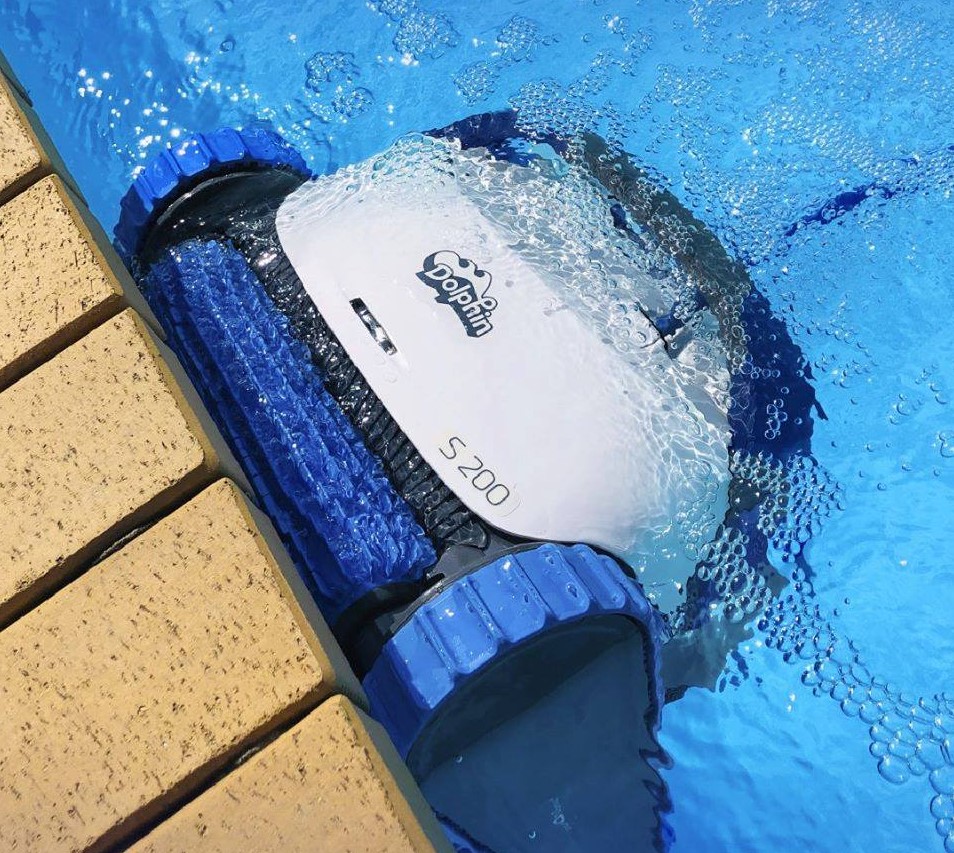
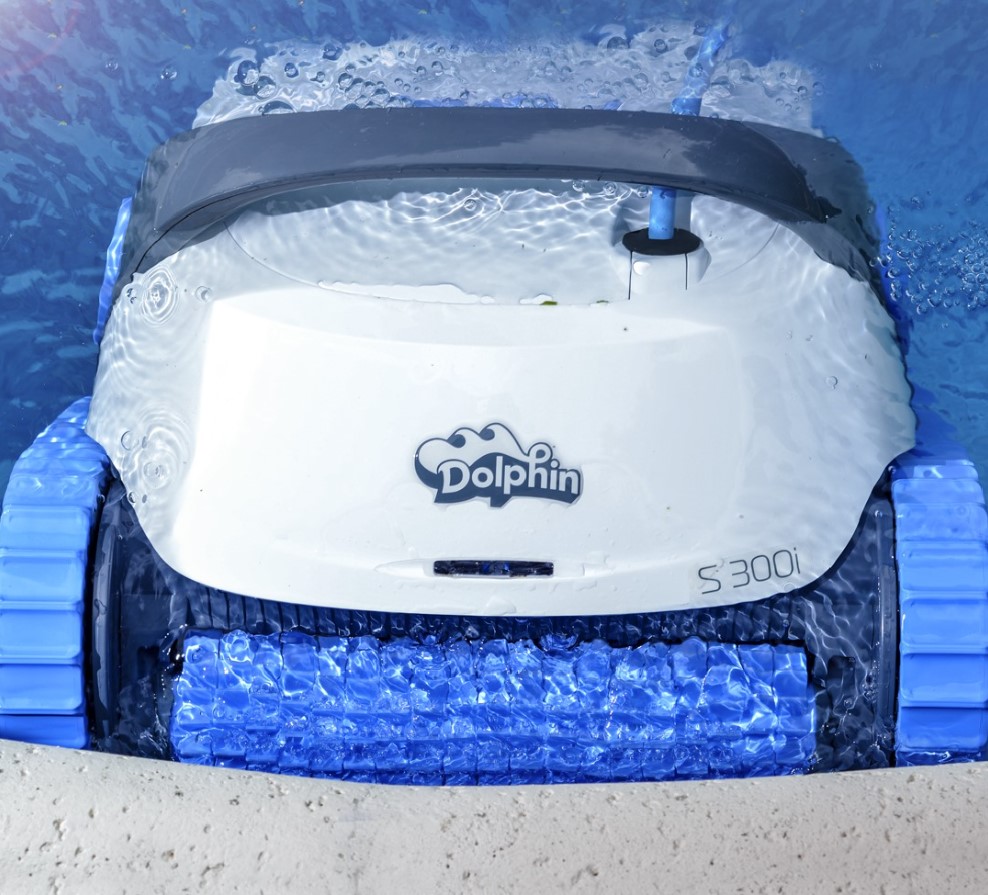
What robotic pool cleaners do not change
It is important to be realistic about what robots cannot do. They do not:
Pools still need oversight. Robots address cleaning, not system health.
Why robots are better at making your costs more predictable
For most owners, robots do not dramatically lower the cost of owning a pool. What they tend to do instead is make costs more predictable.
Cleaning becomes more consistent. Maintenance demands are less likely to escalate unexpectedly. Servicing stays focused on prevention rather than correction.
In that sense, robots are best understood as tools that help keep maintenance from becoming more expensive over time, rather than as devices that make it cheap.
Cleaning becomes more consistent. Maintenance demands are less likely to escalate unexpectedly. Servicing stays focused on prevention rather than correction.
In that sense, robots are best understood as tools that help keep maintenance from becoming more expensive over time, rather than as devices that make it cheap.
When pool cleaning robots make the most difference
Robots tend to have the greatest impact in pools that:
In these situations, the value comes from avoiding inefficiency rather than chasing savings.
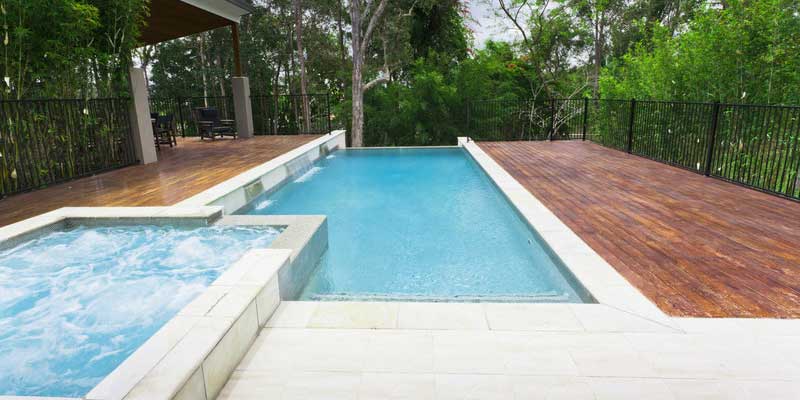
A balanced way to think about cost and pool care
Seen in context, pool cleaning robots are part of a broader approach to maintenance. They take care of repetitive cleaning tasks, allowing professional attention to focus on circulation, filtration and long term performance.
That balance is where their value tends to last.
That balance is where their value tends to last.
Frequently Asked Questions
In most cases, it is recommended to remove the robot from the pool when it is not running. Prolonged exposure to chemicals, UV and constant immersion can shorten the lifespan of components. Many owners store robots out of the pool between cycles to extend durability.
The lifespan of a robot pool cleaner depends on build quality, usage frequency and maintenance. Well built robotic cleaners designed for regular use typically last several years when maintained correctly. Models supplied and supported by pool professionals are generally selected for durability and access to parts and servicing, which contributes to longer usable life.
This varies based on debris load, pool usage and surrounding landscaping. Many pool owners run robots several times per week during periods of high debris and less frequently during quieter seasons. Consistent scheduling is usually more effective than occasional intensive cleaning.
They can help stabilise costs by reducing manual cleaning time and preventing debris related inefficiencies, but they do not eliminate core maintenance expenses.
No. Robots remove debris but do not assess or maintain pool systems.
They may reduce sudden increases caused by debris breakdown, but baseline chemical needs remain.
Robots are electrically powered and generally consume less energy than prolonged manual vacuuming through the pump system.
Service frequency usually remains the same, but time spent on manual cleaning during visits may decrease.
Robots offer the most value in pools with consistent debris loads or limited time for manual cleaning, but suitability depends on pool design and maintenance approach.