
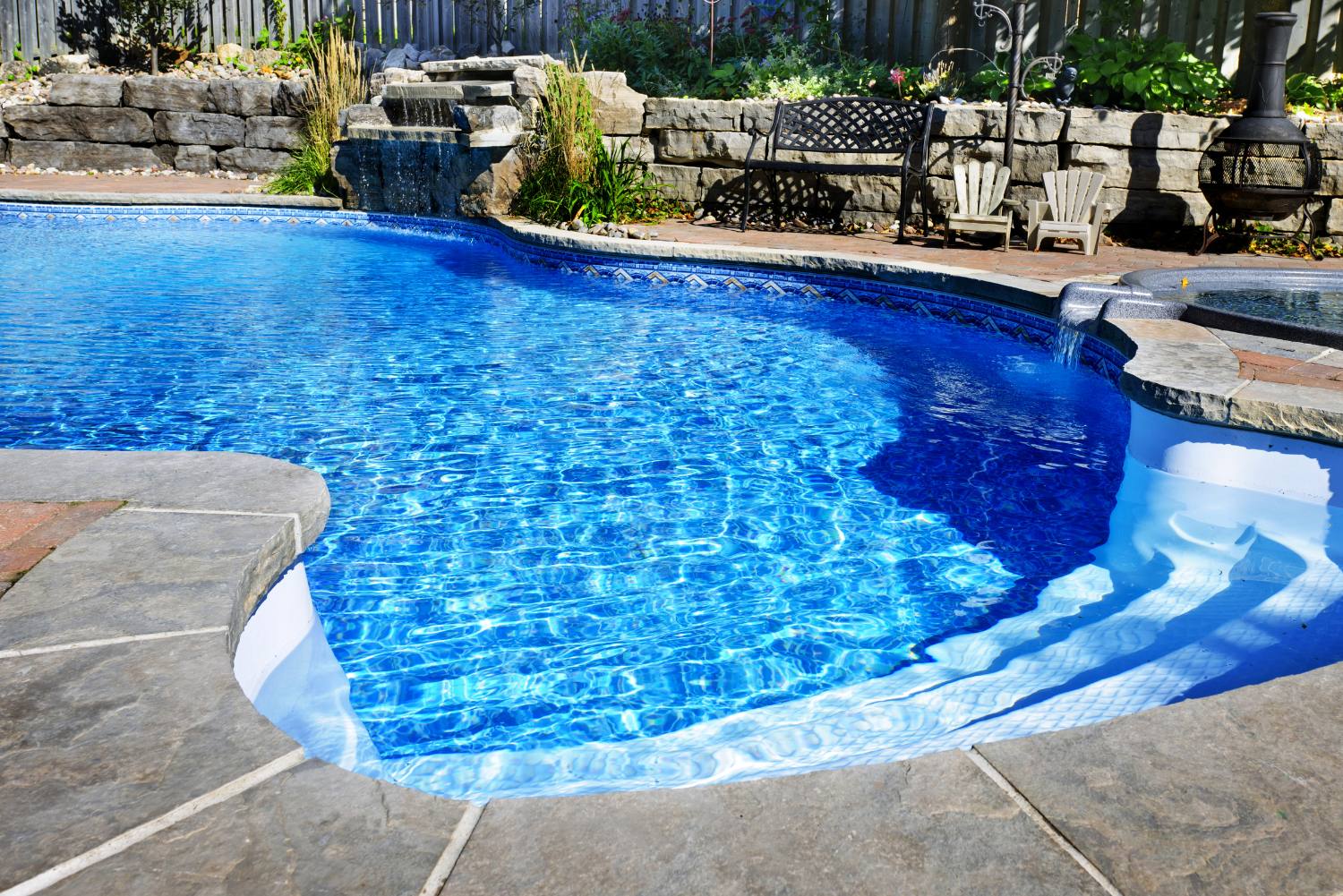
When the first stretch of warm days hits Melbourne, pool owners rush to uncover their pools and find that winter has left behind cloudy water, calcium build-up, and sometimes a faint green tint.
Preparing a pool for summer takes more than topping up water or throwing in chlorine.
Getting it right before the heat arrives means cleaner water, lower running costs, and fewer headaches later in the season.
Why pre-summer preparation matters
A neglected winter pool may look fine on the surface but can hide months of chemical imbalance and early algae growth. Servicing before summer helps:
In Melbourne’s variable climate, where one week can be 16°C and the next 32°C, chemical balance can swing rapidly. Preparing early in late spring gives the system time to stabilise.
Step 1
Clean before you treat
Physical cleaning always comes before chemical balancing. Skipping this step traps organic matter in filters and consumes chlorine faster once added.
Checklist for cleaning:
If the pool has sat unused for months, consider a full vacuum or professional clean to remove fine sediment.
Step 2
Test and rebalance water chemistry
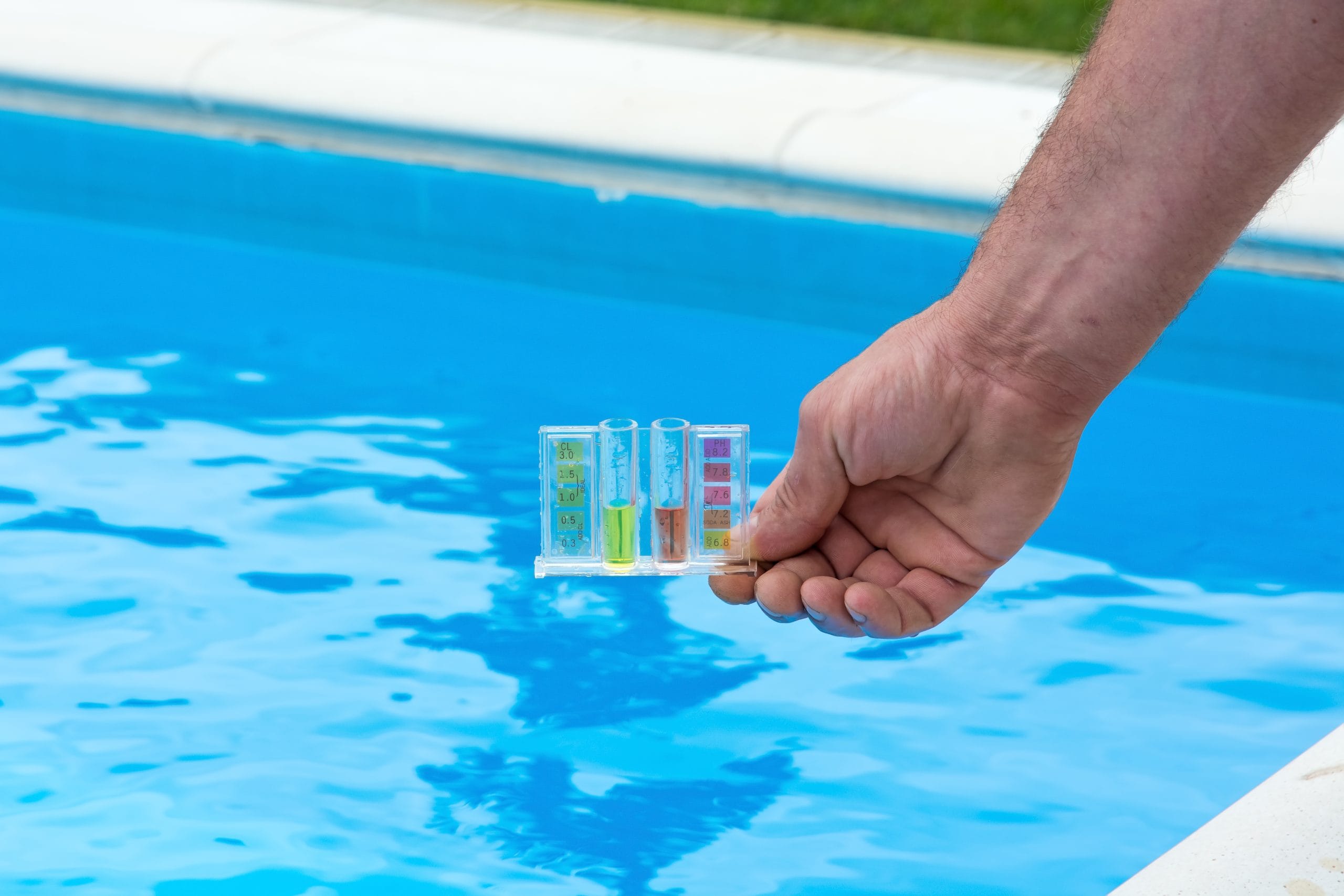
Winter rain, evaporation and top-ups change the water’s composition. Testing is the only way to know what needs adjustment.
| Parameter | Ideal Range | Why It Matters |
|---|---|---|
| pH | 7.2 – 7.6 | Keeps chlorine effective and prevents corrosion |
| Chlorine | 1 – 3 ppm | Kills bacteria and algae |
| Alkalinity | 80 – 120 ppm | Stabilises pH |
| Calcium Hardness | 200 – 400 ppm | Prevents etching and scaling |
| Cyanuric Acid (stabiliser) | 30 – 50 ppm | Protects chlorine from UV light |
If readings are out of range, adjust gradually. Large corrections in one day can cause cloudy water. For older pools or heavily unbalanced water, professional testing gives more precise readings than home strips.
Step 3
Inspect pumps, filters and chlorinators
Melbourne’s cold, damp winters can lead to corrosion and stiff seals. Before continuous summer use, check:
A short pre-season service by a technician can identify small faults before they cause breakdowns during summer heat.
Step 4
Run the system and observe
After cleaning and rebalancing, run the filtration system for 24 hours and monitor:
If pressure drops or the pump struggles to prime, air leaks or partial blockages may still be present.
Step 5
Maintain a summer schedule
Once water is clear and balanced, consistency keeps it that way.
| Task | Frequency | Purpose |
|---|---|---|
| Skim surface and empty baskets | Daily or as needed | Keeps organic matter out of filters |
| Test chlorine and pH | Twice weekly | Maintains sanitising strength |
| Brush walls and floor | Weekly | Prevents algae and calcium build-up |
| Backwash filters | Fortnightly | Restores flow efficiency |
| Full professional service | Once mid-season | Ensures ongoing performance |
Staying ahead of Melbourne’s sudden heat spikes avoids emergency chemical treatments later in the season.
Common pre-summer pool preparation mistakes
Avoiding these small errors makes a major difference in clarity and cost.
FAQs about preparing your pool for summer
Late October or early November is ideal in Melbourne. It allows water to stabilise before consistent swimming weather.
A shock treatment clears cloudy water temporarily but does not correct pH, alkalinity or calcium hardness. A full service ensures long-term stability.
Usually 24 hours once chlorine levels are within 1 to 3 ppm and pH is between 7.2 and 7.6. Always test before swimming.
Recheck chlorine and pH immediately. Persistent algae may indicate poor circulation or a failing chlorinator cell, which should be checked professionally.
Yes, especially after months of inactivity. A technician can detect early wear, clean chlorinator cells and ensure pumps and filters are operating safely.