
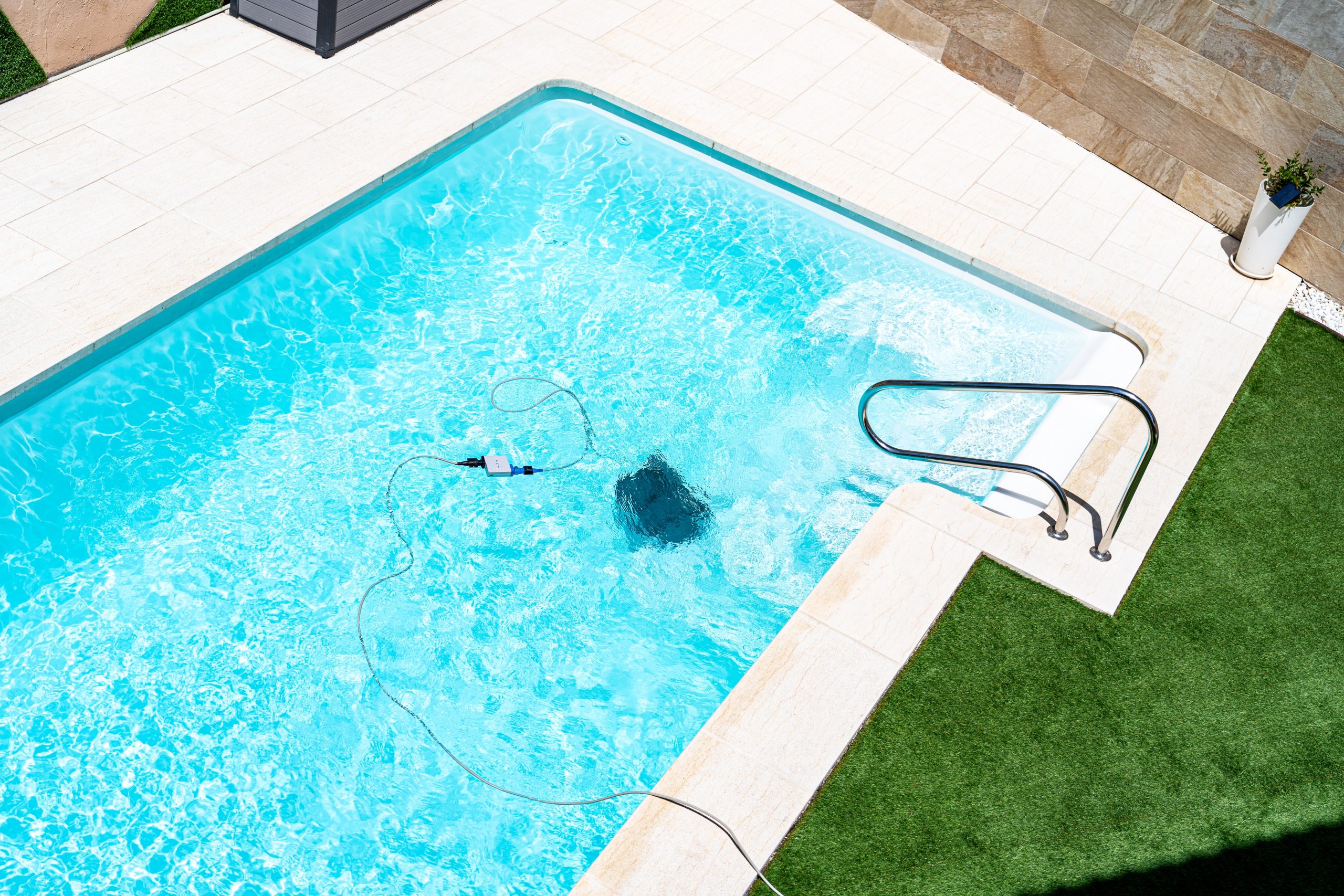
There is no such thing as a generic Australian pool. One sits under gums and collects leaves after a warm northerly. Another gathers a fine layer of dust along the floor by late afternoon. A third is the family pool, where the waterline starts to show the week by Sunday afternoon.
That is why features matter in context. The right robotic cleaner is rarely the one with the longest list of extras. It is the one that suits the pool, the debris and the rhythm of life around it.
Across the Maytronics Dolphin range we stock, the practical differences come down to a handful of things: cleaning coverage, pool size capability, filtration, cable management, storage and convenience features such as weekly timers or app control. Those are the details that shape satisfaction over time.
The backyard sets the brief
Pool equipment can sound abstract until it is placed against an ordinary week at home. Leaves after wind. Fine grit after dry weather. Children in and out of the water all weekend. A pool that looked crisp on Friday starts to look a little worn around the edges by Monday.
The first question is what kind of mess this pool creates and where it shows first. In some pools, the problem sits on the floor. In others, the walls and waterline tell the story.
Once those patterns are clear, the feature list becomes much easier to read.
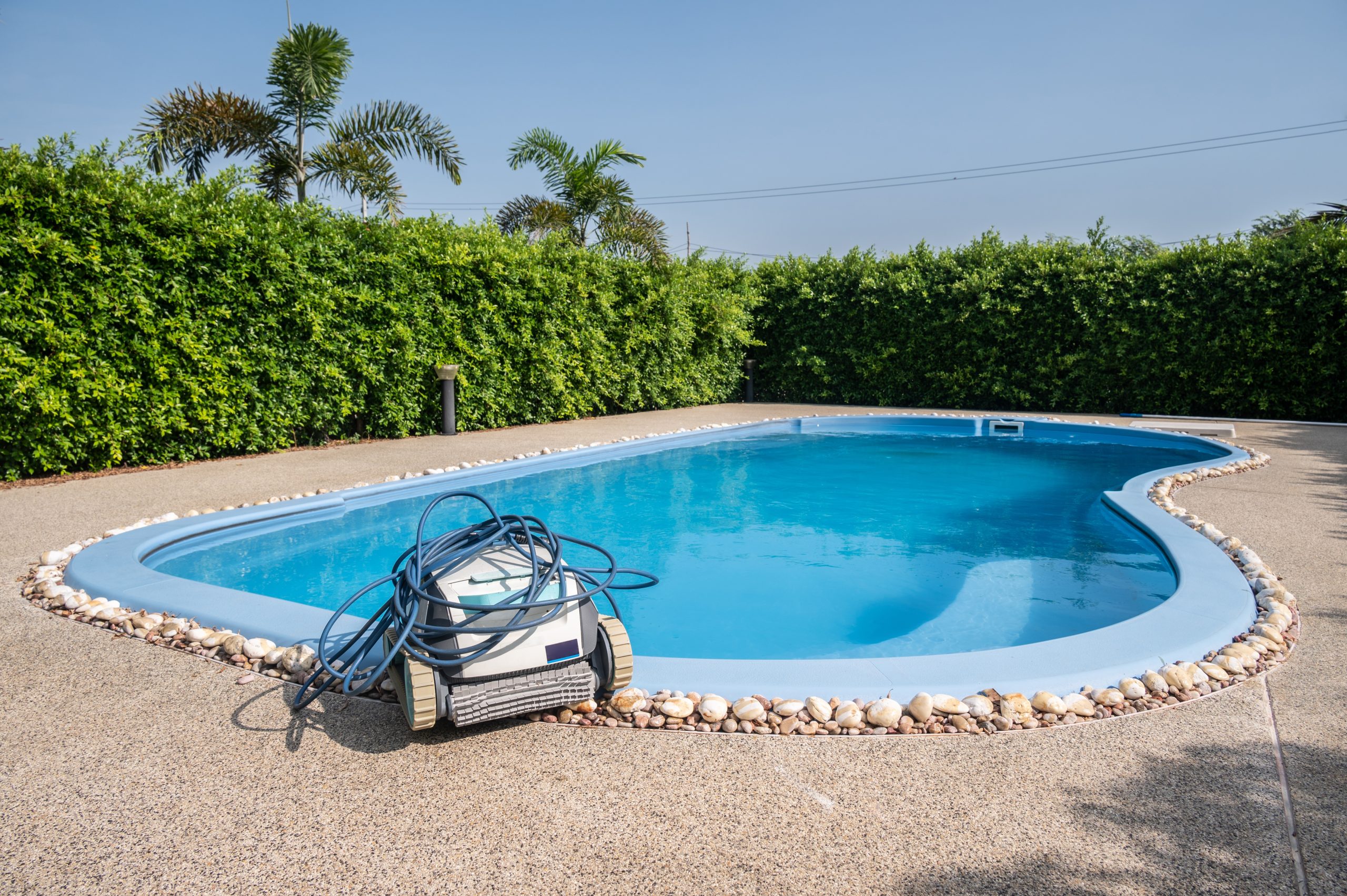
Filtration earns its place quickly
In a showroom, filtration can look like a technical detail. In a backyard, it becomes one of the first things owners notice.
Leaves are only part of the story. Many pools also collect blossom, soft organic debris, grit, pollen and fine dust. These smaller particles are often the ones that make a pool look tired, even when there is no dramatic mess floating on the surface.
For a leafy backyard, filtration needs to cope with bulk. For a pool where the main nuisance is dust or fine sediment, it needs to handle smaller particles consistently.
Debris patterns worth thinking about
- broad leaves after wind or tree cover
- blossom and soft garden debris in spring
- grit and fine dust in dry weather
- extra residue after heavy summer use
- mixed debris that changes from week to week
Coverage changes the finish
The difference between floor cleaning and broader coverage becomes obvious once the pool is in regular use. A floor can be relatively clean while the walls and waterline still make the pool look overdue for attention.
This matters most in family pools and in yards where the pool is a constant part of summer life. If those signs tend to show along the waterline or on the walls, a floor-only cleaner may leave the pool looking part-finished.
That is why cleaning coverage is one of the most important features to match properly. In a smaller or simpler pool, dependable floor cleaning may be exactly enough. In a busier pool, broader coverage often changes the result in a way the whole household can see.
Convenience features shape whether the cleaner gets used
Some features do not change the cleaning result directly, though they still matter because they influence habit.
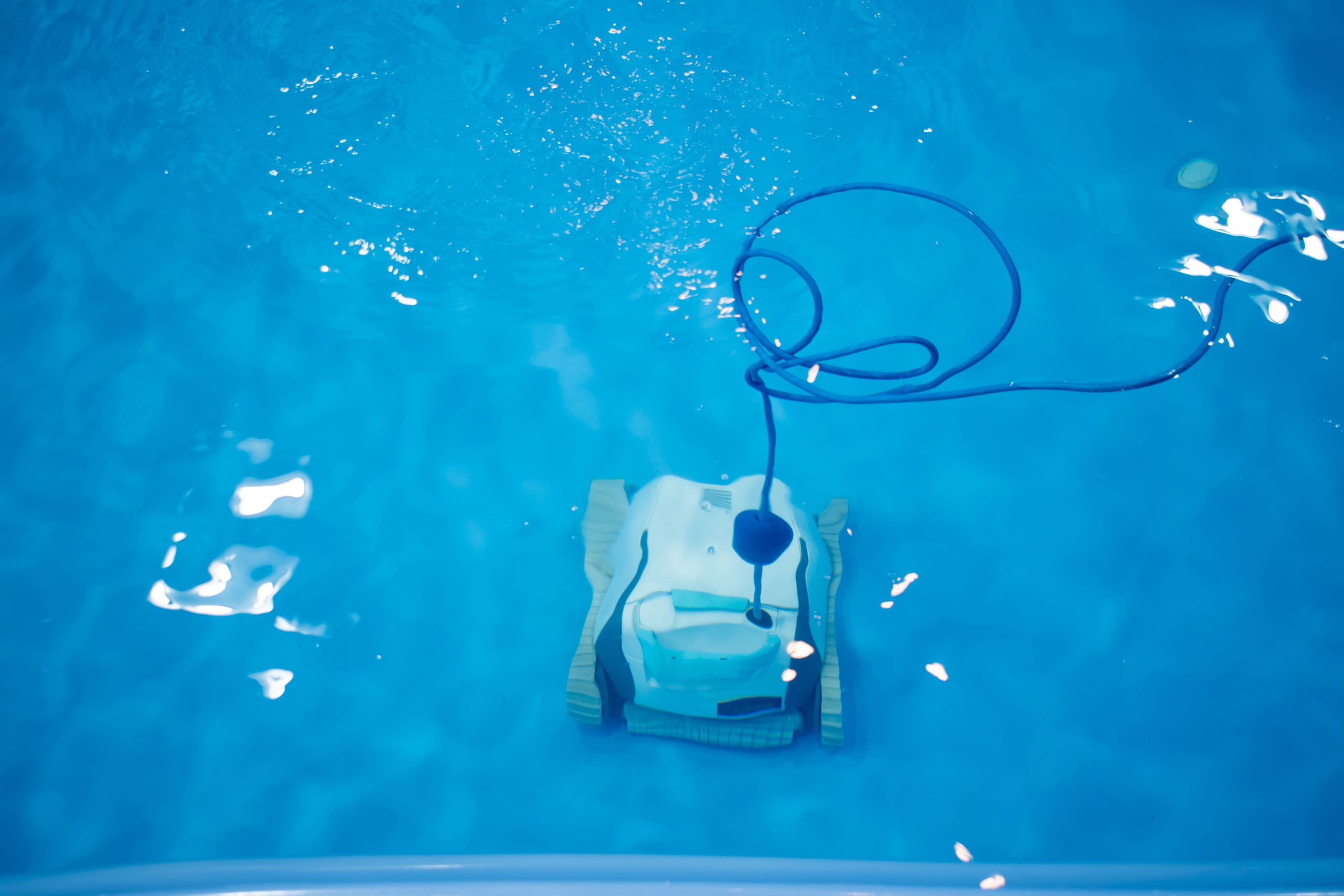
A caddy makes storage easier. A swivel can reduce the nuisance of cable tangling. A weekly timer helps turn cleaning into a routine rather than a decision. App control appeals to households that value flexibility and want the pool ready with less fuss.
A pool still needs the right size, the right coverage and the right filtration. Even so, convenience is part of the experience of ownership.
The features that tend to matter most
| Feature | Why it matters in a real backyard | Most relevant for |
|---|---|---|
| Filtration | Helps manage mixed debris such as leaves, blossom, grit and fine dust | Leafy or dusty pools |
| Cleaning coverage | Influences whether the floor, walls and waterline all look cared for | Family pools and higher-use pools |
| Pool size capability | Affects how comfortably the cleaner matches the pool | Larger or more complex pools |
| Swivel cable protection | Helps reduce cable frustration during routine use | Bigger pools and frequent use |
| Weekly timer or app control | Makes regular cleaning easier to maintain | Busy households |
| Caddy or stand | Makes storage tidier and handling easier | Owners who want a cleaner routine |
How to set the priorities in the right order
For most buyers, the most sensible sequence looks like this:
- Match the cleaner to the pool size.
- Decide whether floor cleaning is enough or whether walls and waterline matter.
- Think honestly about the debris the pool collects through an average week.
- Add convenience features that will make routine use easier.
At the smaller end of the range, simpler models make sense for straightforward pools. In the middle, models such as the S200 and M400 start to suit family pools and busier backyards more comfortably. Higher in the range, the S300i and M500 are more relevant when larger pools, added convenience or stronger capability become part of the brief.
Frequently Asked Questions
Filtration is usually the first thing to look at. A pool that collects mixed debris needs a cleaner that can cope with both bulk and finer particles across the week.
No. Some are better suited to floor cleaning, while others are designed to cover walls and waterline as well.
Because size affects how comfortably a cleaner can keep pace with the pool. A model suited to a smaller pool may still run in a larger one, though the result can feel less complete over time.
Not for every owner. They are convenience features. They matter most when they help the household keep cleaning regular and easy.
Often, yes. Pools under trees usually place more emphasis on filtration and routine cleaning capacity because the debris load is heavier and less predictable.
Coverage is usually high on the list, especially if the walls and waterline show the week quickly.