Why Pool Algae Keeps Coming Back 

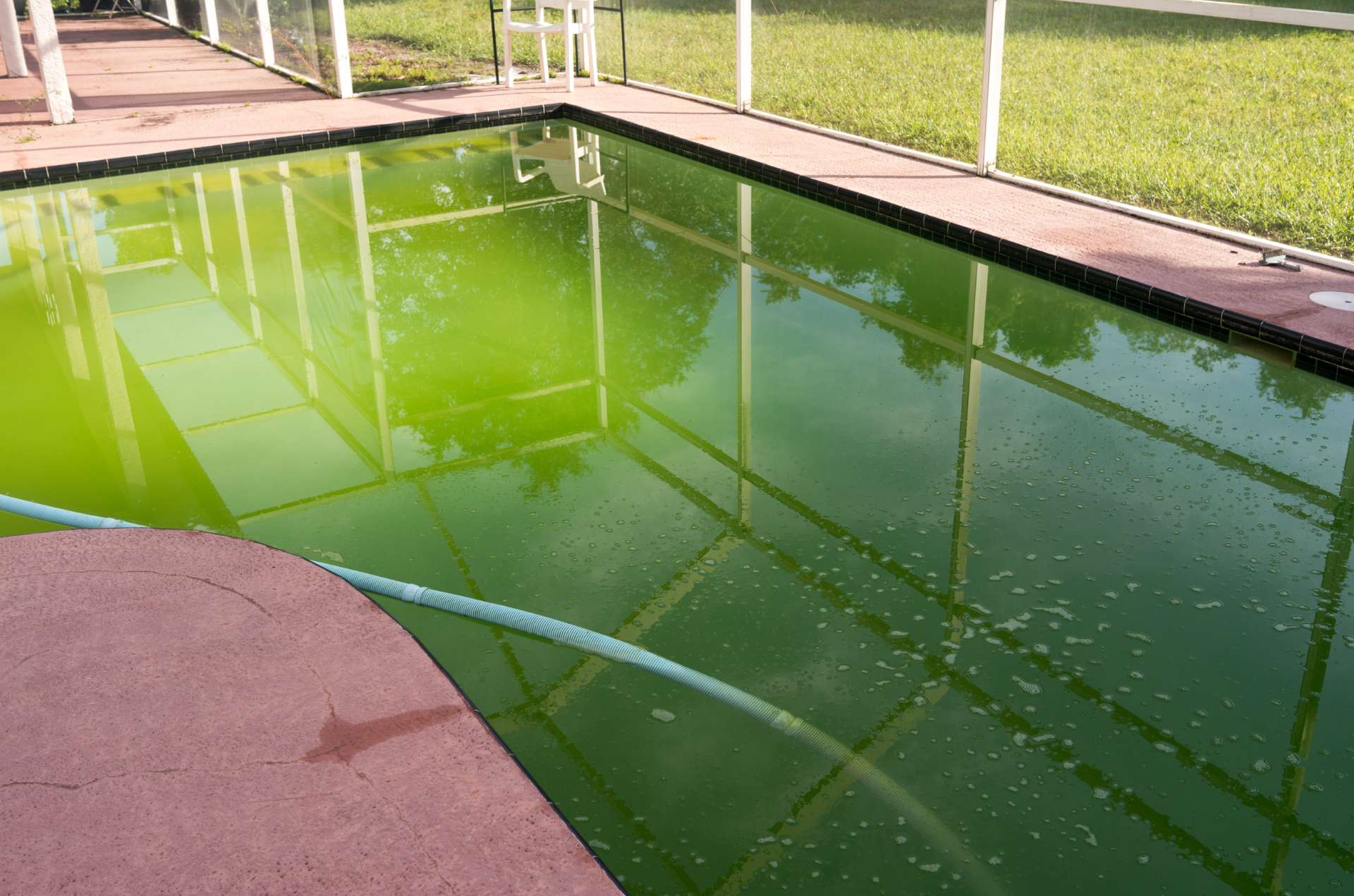
Algae is one of the most common and frustrating pool problems.

It can appear suddenly, spread quickly and return even after the water has been treated and cleared. For many pool owners, the real frustration is not the first outbreak, but the sense that algae never truly goes away.

Understanding why algae returns requires looking beyond surface appearance and into how a pool actually functions.
What pool algae is and why it appears

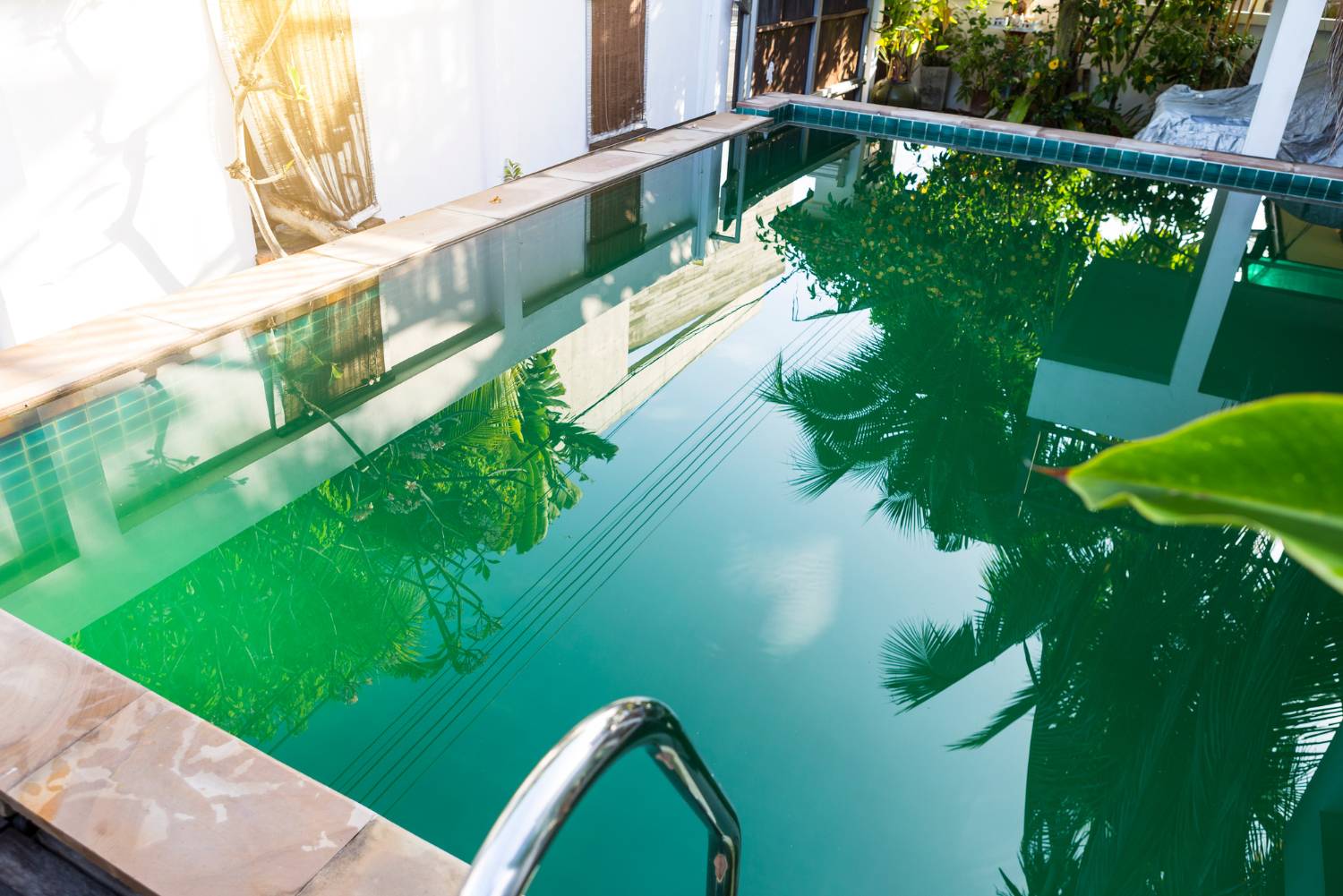
Pool algae is a simple plant-like organism that thrives in water when conditions allow it to grow. It enters pools through wind, rain, debris and even swimwear, and once present, it only needs the right environment to take hold.
Algae commonly appears as:
  • green algae, which turns water cloudy or green and spreads quickly
  • yellow or mustard algae, which settles on walls and steps as a dusty film
  • black algae, which forms dark spots and anchors itself into pool surfaces
While algae itself is not usually harmful to swimmers, it signals water quality issues and can make surfaces slippery and unsafe. More importantly, it indicates that the pool system is allowing contaminants to persist.

Why algae often returns after treatment

For many pool owners, the pattern is familiar. The pool is treated, the colour improves, and within weeks the problem reappears. This is rarely caused by a single missed chemical dose.

In most cases, algae returns because the conditions that allowed it to grow were never fully resolved. Chemical treatment removes visible algae, but it does not address why the pool became vulnerable in the first place.

Algae as a system warning, not a one-off problem

Recurring algae is usually a sign of underlying system issues rather than poor effort. Pools that struggle with repeat outbreaks often share similar characteristics:
  • uneven water circulation
  • areas where debris settles and breaks down
  • declining filtration performance
  • inconsistent or reactive cleaning routines
Unless these factors are addressed together, algae is likely to return regardless of how often the pool is treated.

The role of circulation in algae growth

Water movement is one of the most important factors in algae prevention. Circulation ensures sanitised water reaches every part of the pool.

When circulation is uneven, some areas receive less treated water than others. Steps, corners, shaded areas and deeper sections are common low-flow zones. These areas allow algae spores to settle and multiply quietly, even when the rest of the pool looks clear.

Because poor circulation does not always affect water clarity straight away, it is often overlooked.

How debris feeds algae

Leaves, pollen and fine organic matter introduce nutrients into the water as they break down. These nutrients provide fuel for algae growth.

Pools surrounded by trees or exposed to wind tend to collect debris regularly, particularly after storms or during seasonal leaf fall. If debris removal is irregular, even small amounts can contribute to recurring algae problems when combined with warmth and sunlight.

Filtration issues develop gradually

Filtration systems rarely fail suddenly. More often, their performance declines slowly as filters load up or components wear. Fine particles may pass through the system or remain suspended longer than expected.

This allows algae spores to survive treatment and re-establish themselves. Because water can still appear clear, filtration problems are often missed until algae becomes persistent.

Why chemicals alone do not solve the problem

Balanced water chemistry is essential for sanitation, but it cannot compensate for circulation or filtration limitations. Repeated chemical treatment without addressing system performance often leads to a cycle of temporary improvement followed by relapse.

This is why some pools remain difficult to manage despite regular testing and treatment.

Treating algae effectively

Algae treatment usually involves a combination of physical cleaning, sanitising and filtration support. This typically includes brushing affected surfaces, applying appropriate chlorine treatment, running the filtration system continuously during recovery and removing dead algae through vacuuming and filter cleaning.

While these steps are effective at clearing visible algae, they are only part of the solution if the underlying causes remain.

Preventing algae long term
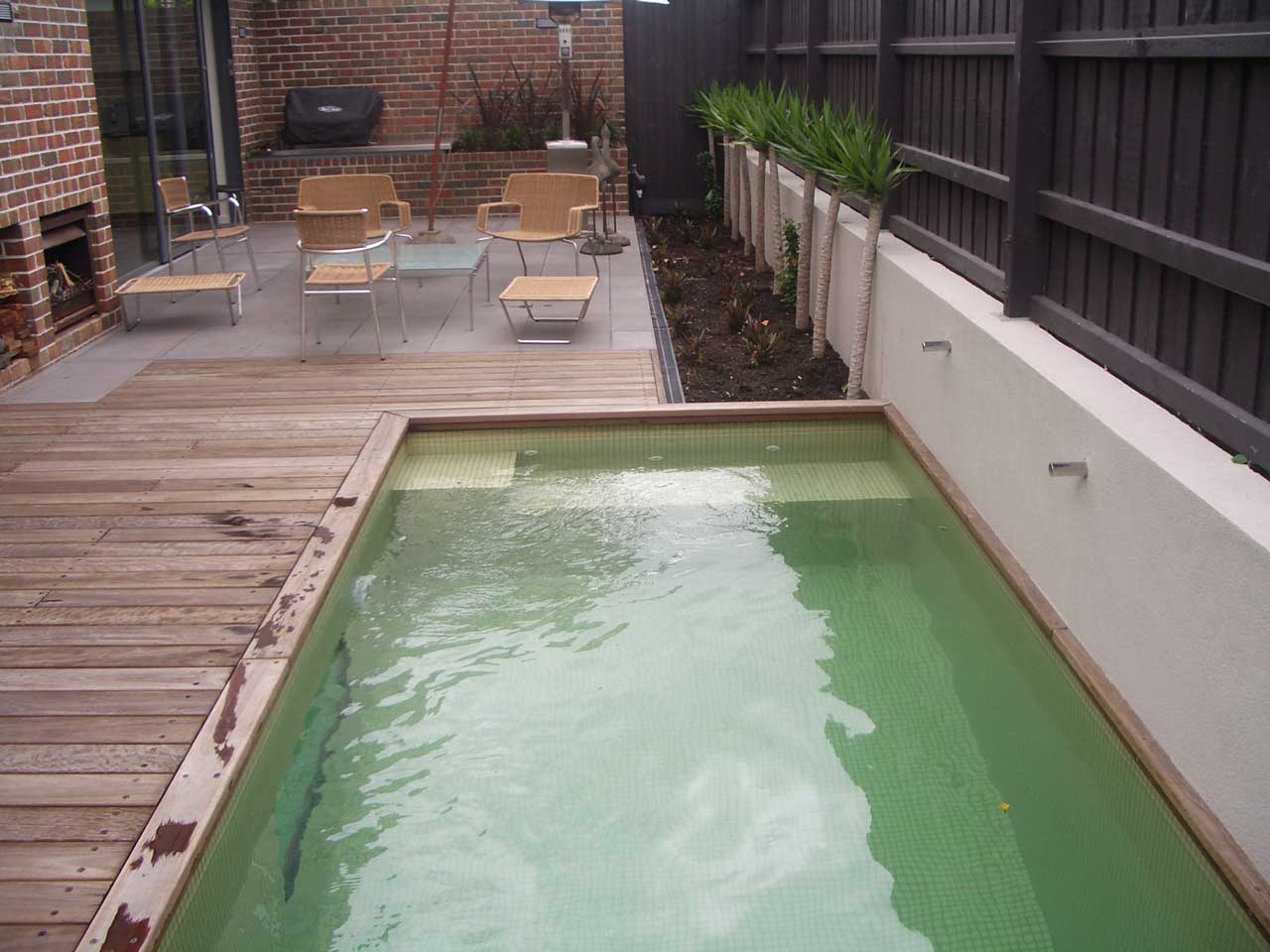
Long-term algae prevention depends on consistency rather than intensity. Pools are less likely to experience repeat outbreaks when:
  • circulation reaches all areas of the pool
  • debris is removed before it breaks down
  • filtration is operating efficiently
  • cleaning and testing are performed regularly
Preventative maintenance focuses on keeping conditions unfavourable for algae growth rather than reacting after it appears.

When professional assessment matters

If algae continues to return despite regular cleaning and treatment, it often indicates a system-level issue. Professional pool servicing focuses on identifying why algae is recurring by assessing circulation, filtration performance and equipment condition.

Addressing these factors is what breaks the cycle, rather than simply clearing the water again.

Frequently Asked Questions

Because the underlying conditions that allowed it to grow, such as poor circulation or debris buildup, have not been resolved.

Yes. Algae often begins in low-circulation areas even when the water appears clear.

Yes. Organic debris breaks down into nutrients that algae feed on.

Chemical treatment removes existing algae but does not correct circulation or filtration problems that allow it to return.

Algae is more common in warmer months, especially after storms, heavy debris loads or periods of missed cleaning.

If algae keeps returning despite regular treatment and maintenance, a system assessment can help identify contributing factors.

We are Dolphin Pools, one of Melbourne’s leading pool design, construction and service agencies. With 50 years of experience, we are just a phone call or email away – and would love to hear from you today. Let us spend the time cleaning your pool; so you don’t have too!

Contact Details

  • Mon - Fri: 8:00am-4:00pm
    Sat: 8:00am-1:00pm
    Sun: Closed
@ 2026 DOLPHIN POOLS | ALL RIGHTS RESERVED