
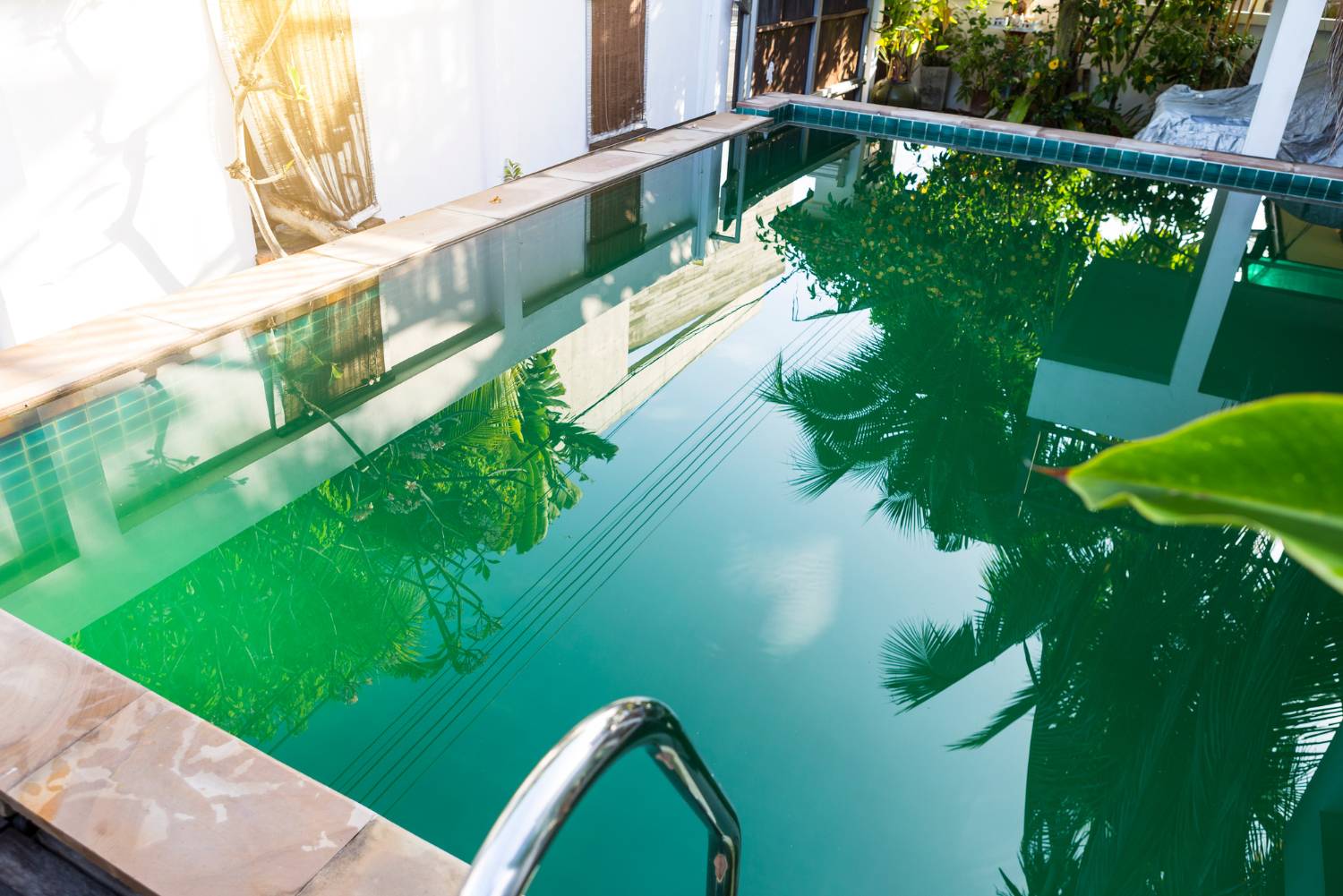
Algae is one of the most common problems faced by Melbourne pool owners.
It can seem to clear up after treatment, only to return weeks later even when the water looks normal and chlorine levels appear stable. The reasons vary, but the pattern is consistent. Algae returns because the conditions that support it remain in place, often long before the water turns green.
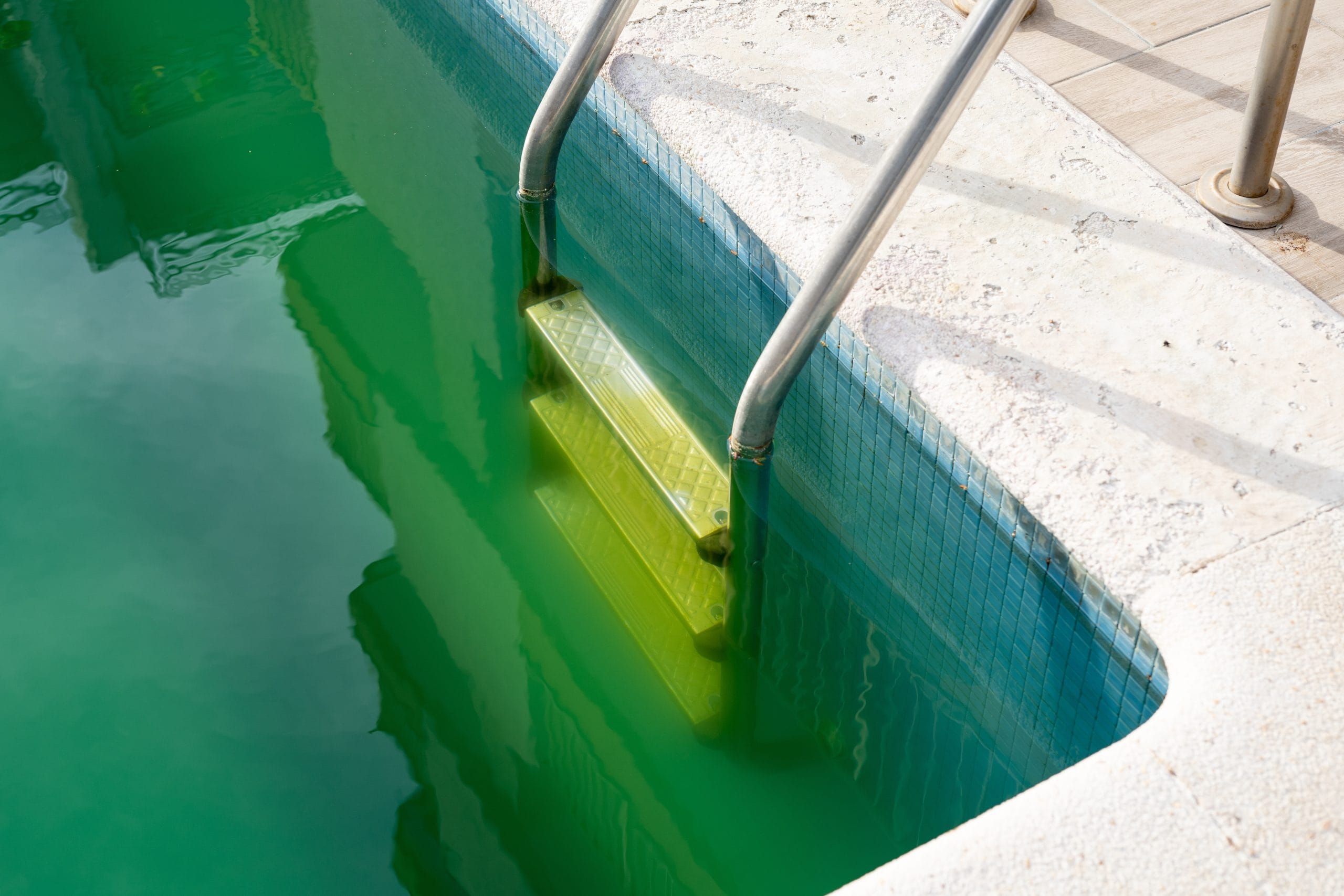
Filtration Issues That Start Before the Water Changes
Many recurring algae problems originate in the filtration system. A filter that is partially blocked or overdue for cleaning can still keep the water looking clear while allowing microscopic algae spores and organic material to circulate freely.
Early filtration issues usually include:
Early filtration issues usually include:
These early signs often appear long before cloudiness or colour changes. For a deeper look at how filtration problems develop, see Why Pool Filtration Fails Before the Water Turns Cloudy.
Circulation Patterns Influence Algae Growth
Some pools circulate water evenly; others do not. Circulation problems can occur in pools with multiple steps, narrow ledges or deep sections that receive less turnover. When debris consistently gathers in the same areas, it indicates uneven circulation beneath the surface. Algae thrives in these low-flow zones.
Improving circulation may involve adjusting return jets, increasing pump run times during warmer periods or clearing skimmer baskets more frequently. Pools with consistent water movement experience far fewer recurring algae outbreaks.
Improving circulation may involve adjusting return jets, increasing pump run times during warmer periods or clearing skimmer baskets more frequently. Pools with consistent water movement experience far fewer recurring algae outbreaks.
Shade and Microclimates Make Algae Harder to Control
Shaded pools are more likely to experience algae, even when chemistry is well maintained. Shade reduces temperature consistency and slows natural drying on walls and steps, creating small pockets where algae can settle.
Common sources of shade include:
These areas often become the first place algae reappears.
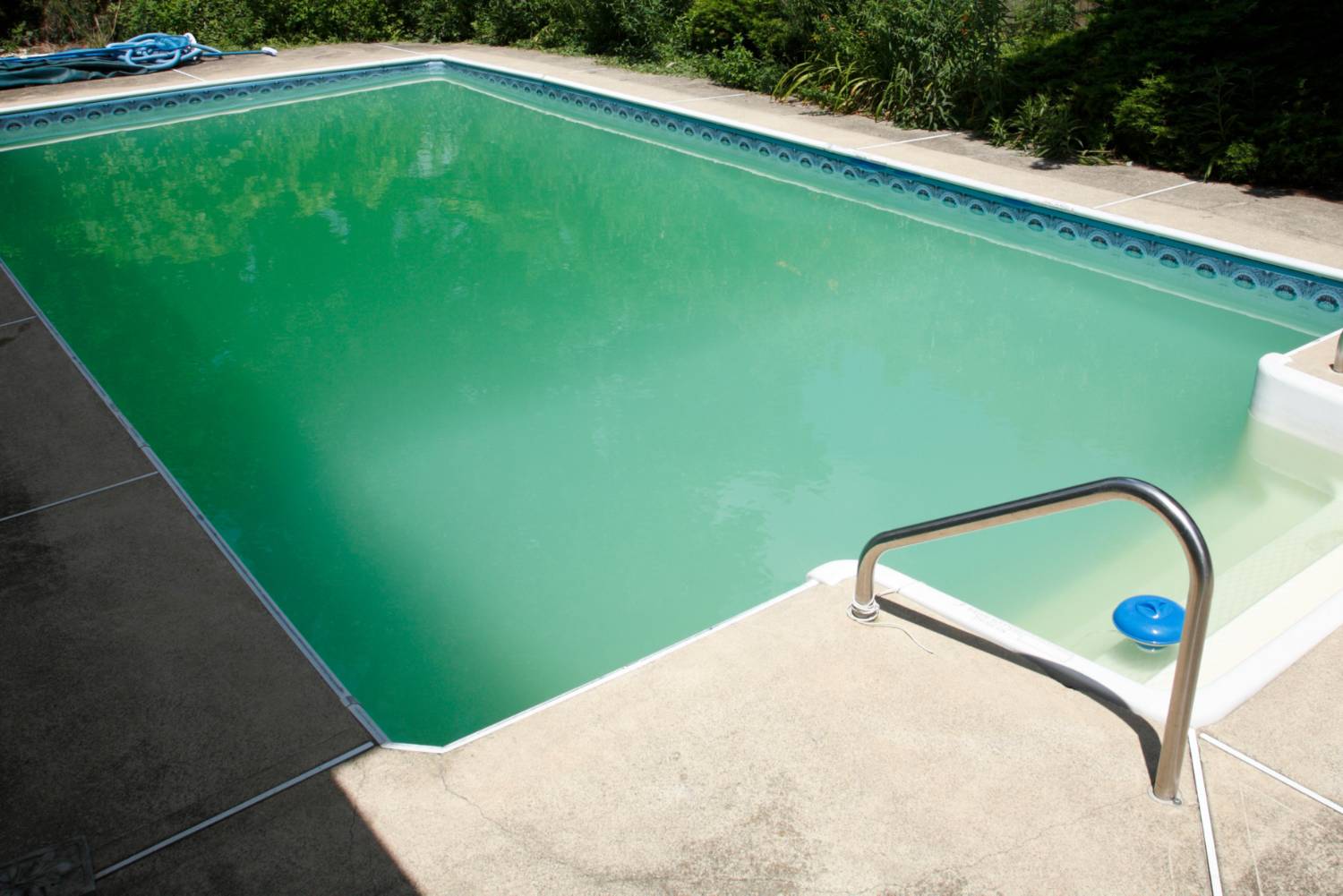
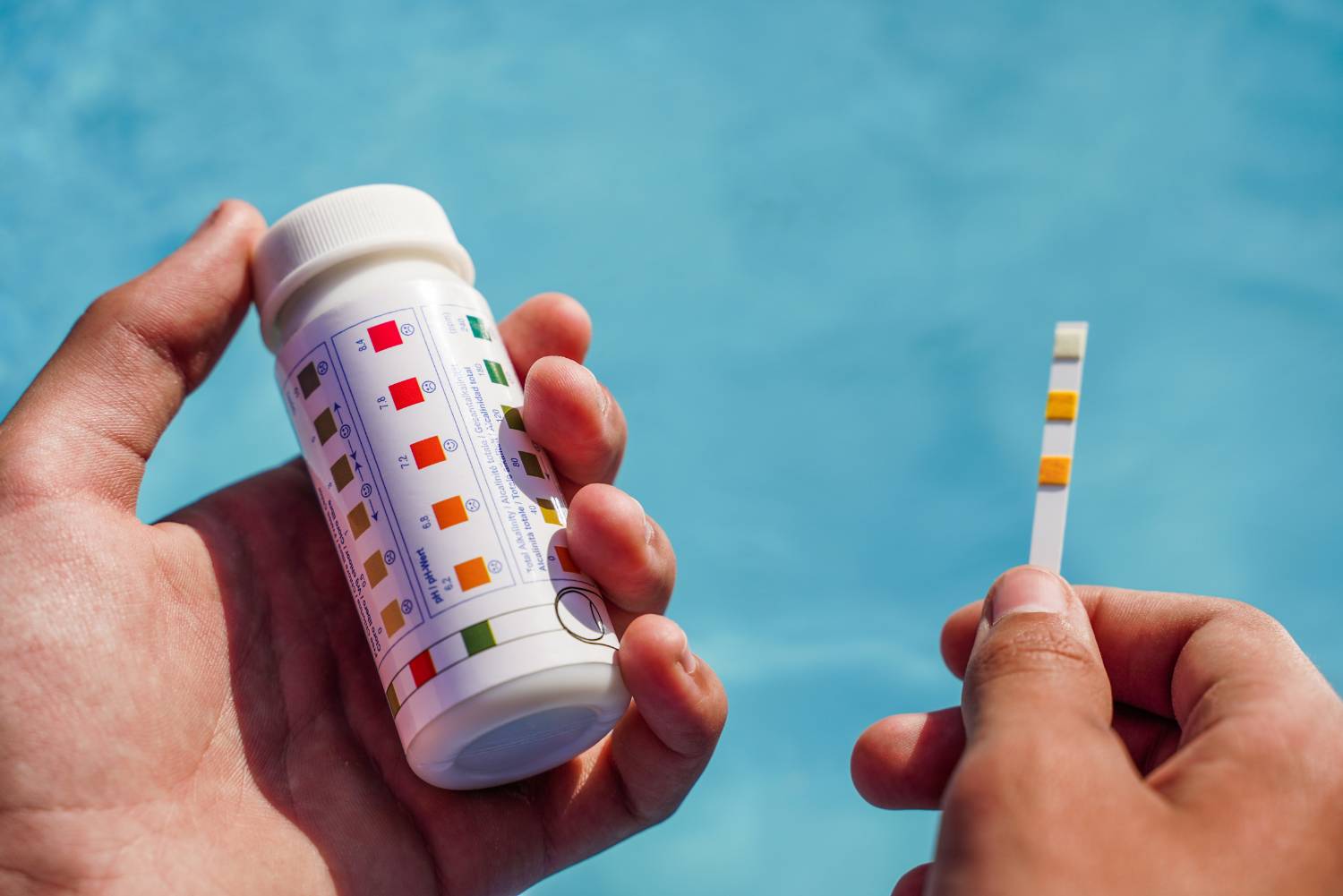
Phosphates Feed Algae Even When Water Looks Clear
Phosphates arrive in pool water through leaves, garden runoff, soil and some household products. They do not affect clarity or colour, which means a pool can look perfect while holding nutrient levels that accelerate algae growth.
High phosphate levels can:
Regular phosphate testing is useful for pools with heavy tree coverage or significant debris.
Water Temperature Shapes the Algae Cycle
As Melbourne warms in spring and summer, water temperatures climb quickly. Algae grows faster in warm water, and even small imbalances or slow flow can create the right conditions for a rapid return. Many pools that stay clear through winter see algae reappear as soon as temperatures rise.
Not All Algae Dies During Treatment
Algae often returns because the initial treatment did not reach every surface. Spores can lodge in textured fibreglass, grout lines, behind pool lights or under ladders. They may also remain in the filtration system if it is not cleaned after treatment.
Common reasons algae survives include:
incomplete brushing of walls and floors
not cleaning the filter or backwashing afterward
leaving vacuum bags or skimmer socks unwashed
algae trapped in plumbing, steps or dead zones
Even a small amount of surviving algae can quickly repopulate the pool under the right conditions.
Why Some Pools Stay Clear
Pools with strong filtration, consistent circulation, low phosphate levels and minimal shade resist algae for longer periods. Pools with slow-moving water, high debris load or shaded sections need more active management.
This difference explains why algae returns quickly in some pools but not others. The underlying environment matters more than how the water appears day to day.
This difference explains why algae returns quickly in some pools but not others. The underlying environment matters more than how the water appears day to day.
Algae Risk Factors at a Glance
| Factor | Why It Causes Recurring Algae | Early Warning Signs |
|---|---|---|
| Poor filtration | Lets algae spores circulate | High pressure, weak return flow |
| Uneven circulation | Creates dead spots | Debris settling in same areas |
| Shade and cool pockets | Slows drying and warmth | Algae forming on steps or corners |
| High phosphates | Provides food for algae | Rising chlorine demand |
| Warm water | Accelerates algae growth | Early-season outbreaks |